Empowering
people in pain
A paradigm shift in the treatment of chronic pain
-Dr gabor maté“Meeting people where they are at & treating them like a human beings & not trying to change them, actually opens up the possibility of transformation for them.”
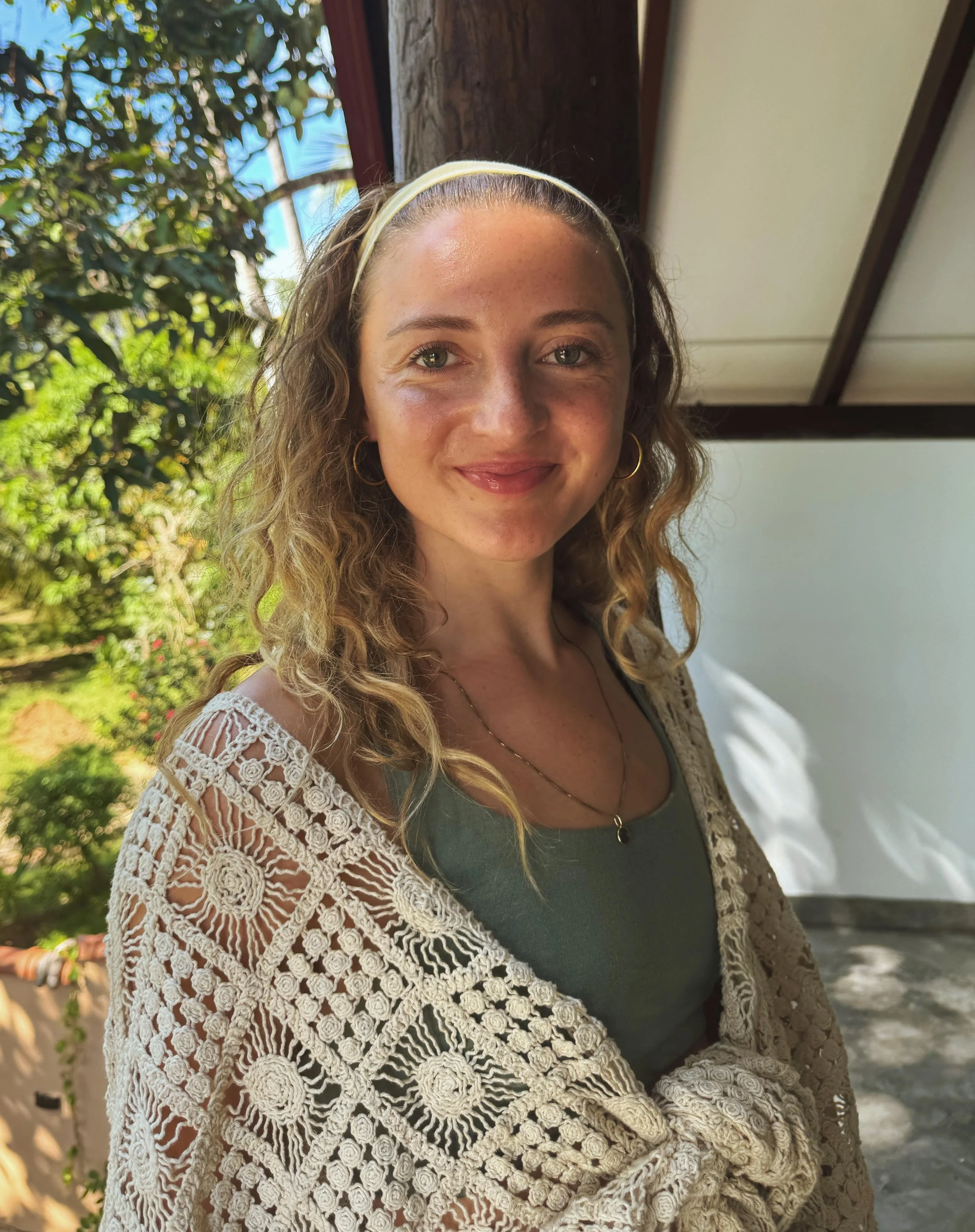
Hello, I’m Emma …
I’ve worked as a physiotherapist for many years supporting people with musculoskeletal pain or injury. While many people recovered with traditional physiotherapy, it became increasingly apparent there was a large cohort of individuals who didn’t, despite following their rehabilitation plan diligently & receiving high-quality care.
This led me to question the way we understand pain.
Through the growing body of research in modern pain science, I learnt that pain isn't always a sign of ongoing tissue damage.
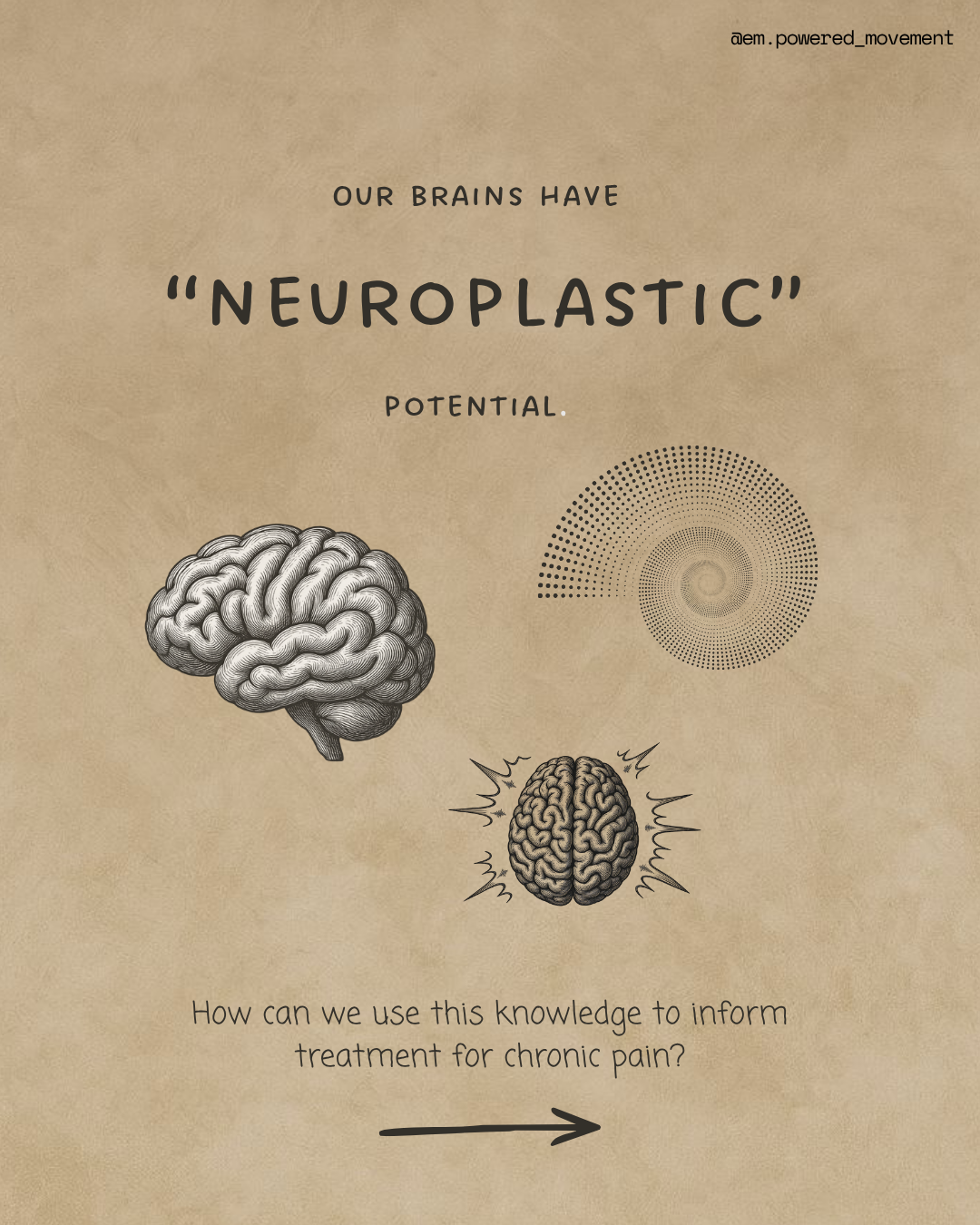
Sometimes, pain is the result of an overprotective brain and nervous system that has become stuck in a cycle of danger, therefore generating pain as a way of protecting you.
That doesn't mean the pain or symptoms are any less real. It just means that recovery requires a different approach, one that considers the whole person. Our emotions, past experiences, beliefs, stress, and nervous system all play an important role in how pain is created and maintained.
This work is rooted in the mind-body connection: the understanding that our thoughts, emotions, and physiology are constantly influencing one another. I find this field of research both fascinating and hopeful.
Today, I combine my background in Physiotherapy with Pain Reprocessing Therapy (an evidence-based treatment for persistent pain) to help people understand their symptoms through a new lens & rebuild trust in their bodies.
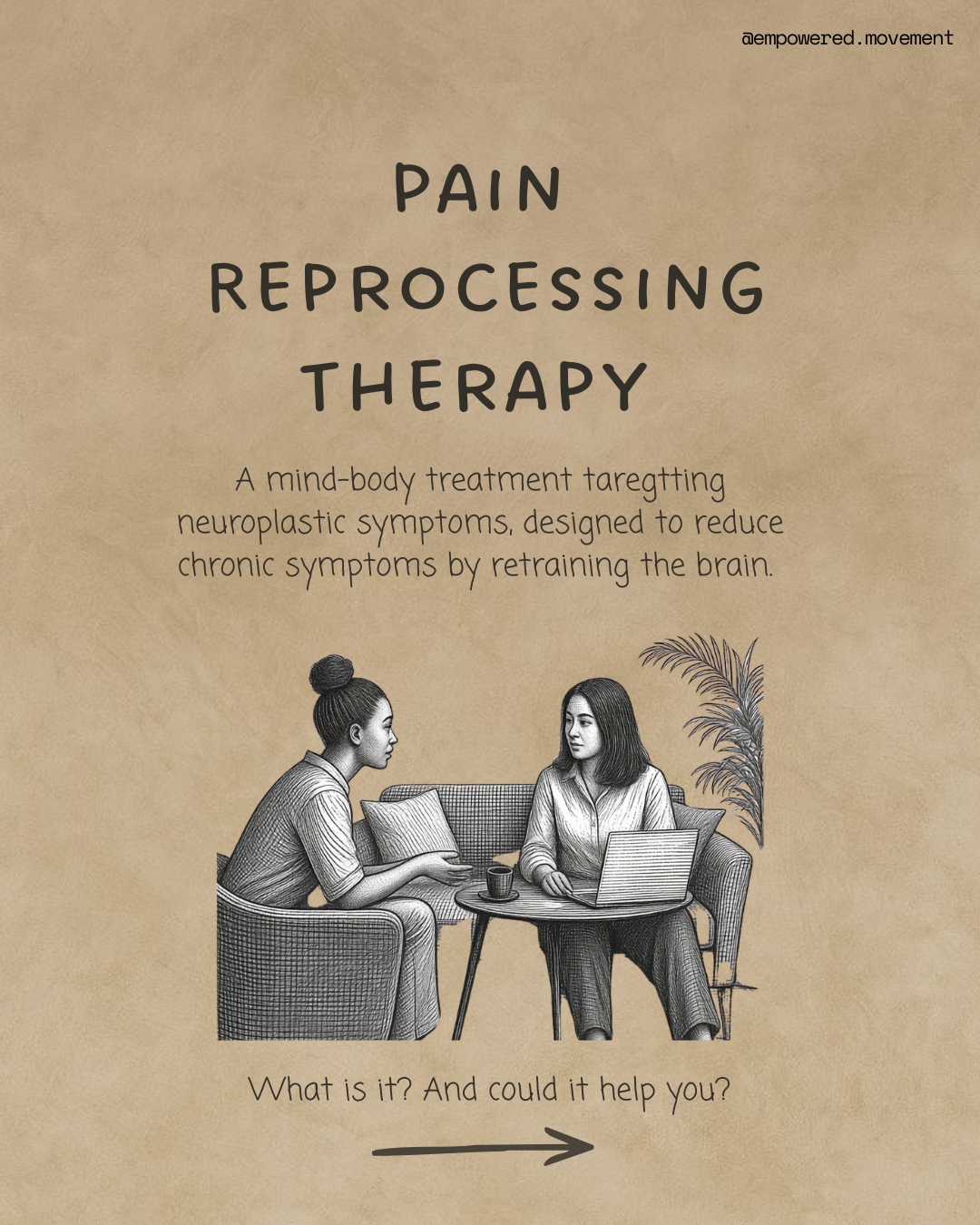
Pain reprocessing therapy is an evidence-based approach for people suffering with persistent pain, that may not have responded typical treatment, (e.g. physiotherapy, injections).
Rooted in neuroscience research, it treats the overprotective system, rather than the specific pain site.
Research has shown pain reprocessing therapy can lead to significant pain reduction for many people compared to other treatments.
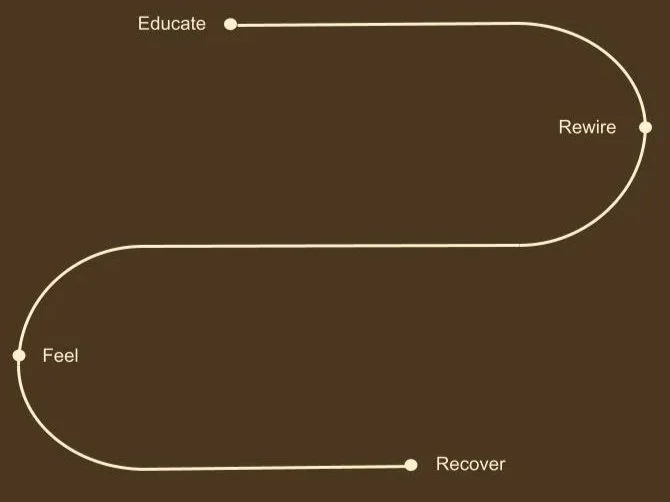
Figure 1 - Road to Recovery for chronic symptoms
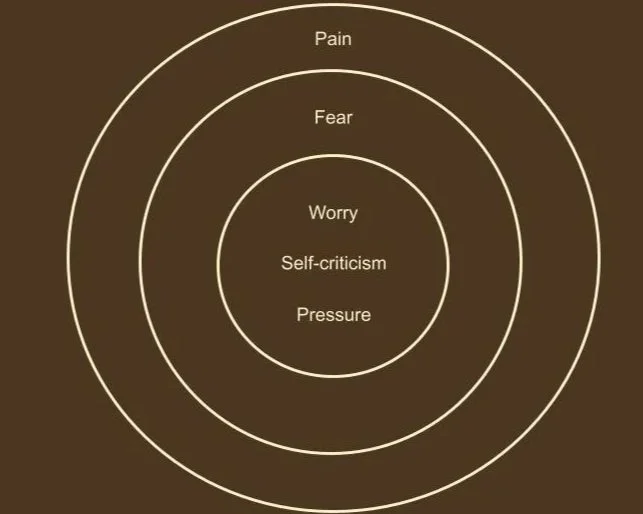
Figure 2 - Peeling back the Layers of chronic symptoms
you DESERVE to feel
at ease in your body
Follow Me
Click to view educational infographics